Approximately 28.8 million U.S. adults[1] could benefit from hearing aids. These helpful devices are an excellent addition to any vacation. They amplify speech and background noise to help you connect with others and keep you aware of your surroundings. When you travel with your hearing aids, there are a few things to keep in mind to ensure they stay safe and functioning well.
1. Bring Your Accessories
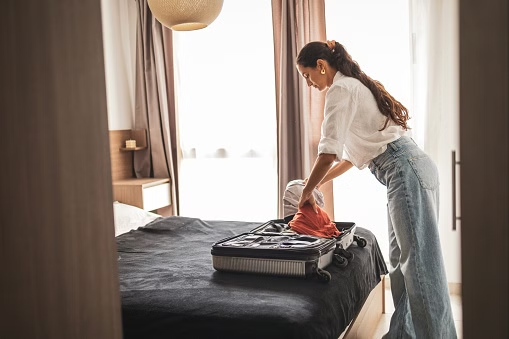
Your cleaning kit, charging cords, extra batteries, wax guards, dehumidifier or any other accessory you use regularly should come on your trip with you. You can pack all your accessories in an electronics case to ensure they’re safe and all in one place for easy access.
2. Pack Important Supplies in Your Carry-On
The last thing you want on vacation is to lose your essential items to a misplaced bag. If you’re flying, pack your hearing aid accessories and hearing aids, when not in use, in your carry-on.
3. Wear Your Hearing Aids Through TSA
You don’t need to remove your hearing aids to go through airport security, and your devices can even help you communicate with TSA. Your hearing aids shouldn’t set off the scanner, but you can tell the agents that you’re wearing them just in case.
4. Be Careful Where You Set Your Devices
Placing your hearing aids in your lap or on the tray table during a flight puts them at risk of loss or damage. If you want to remove your devices during a flight, place them in their case and store them securely in your luggage.
5. Use Their Companion App
Many hearing aids come with a companion app with built-in GPS features that help you locate your devices in case of a loss. If you’re enjoying a day at the beach and you notice your devices aren’t on your person, check their app for the last reported location.
6. Don’t Neglect Cleaning
It’s easy to let a vacation disrupt your cleaning schedule, but do your best to clean your hearing aids nightly. You can also bring your devices into Hearing Center Silver Spring for a professional cleaning before you leave for your vacation. Call us today to schedule your appointment.
[1] National Institute on Deafness and Other Communication Disorders. (2024). Quick statistics about hearing, balance, & dizziness. National Institutes of Health. https://www.nidcd.nih.gov/health/statistics/quick-statistics-hearing