Whether you’re on the hunt in the field or on a shooting range, it’s essential to practice safe firearm habits. In addition to protecting yourself from injury or other accidents, you also need to take steps to protect your hearing. The sheer loudness of the explosion of gunfire can cause major damage to your hearing—and it only takes one loud gunshot to do permanent damage to unprotected ears.
How Does Loud Noise Damage Hearing?
The louder a noise, the more intense the sound wave. These forceful soundwaves rattle the eardrum, the tiny bones in your middle ear and the sensory cells in the inner ear. This concussive force can cause damage to these small organs and cells in your ear. Think of stomping on grass: some blades spring back up, but others remain flattened and damaged.
How Loud Is Gunfire?
The National Institute on Deafness and Other Communication Disorders (NIDCD) says hearing damage occurs with noises of 85 decibels or louder. A gunshot can clock in anywhere from 130 decibels to 165 decibels. While most noise-induced hearing loss results from prolonged exposure to loud noise, 130 decibels is loud enough to cause lasting damage instantly.
What Is Shooter’s Ear?
Shooter’s ear is the name given to a phenomenon that is common to those who frequently use firearms. It’s an asymmetrical hearing loss in which one ear has more advanced hearing loss than the other. However, you might be surprised to learn that the side with greater hearing degradation is not the same side as your shooting arm. This is because your shoulder on your shooting arm actually shields the ear from the brunt of the blast, redirecting it to your other ear and causing more damage on the other side.
How to Prevent Hearing Damage and Shooter’s Ear
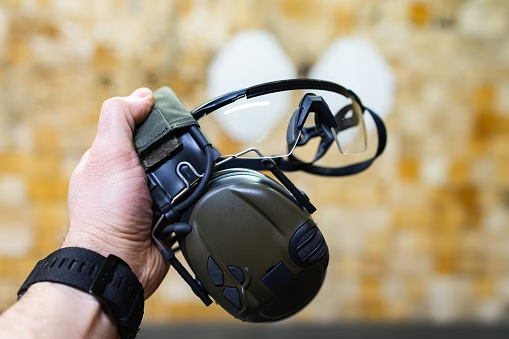
It’s imperative to wear adequate hearing protection when handling or being around firearms. Earplugs and earmuffs are widely available and effective. There are also digital hearing protection options that detect and muffle the sounds of gunfire without blocking all noise from your surroundings—ideal for when you’re hunting and need a keen sense of hearing to track.
It’s also a good idea to get routine hearing check-ups to monitor the damage to your hearing, especially if you’re using firearms frequently. This will allow you to get a baseline level of your hearing health and track any changes, so you can be proactive in prevention and treatment. Call Hearing Center Silver Spring today to schedule a hearing test. Protect your hearing and enjoy your hobby for many years.